Light Miami / Lighting design services
Photometric studies and lighting plans in Miami.
Understand how a proposed lighting arrangement will perform before fixtures are installed. Discuss your photometric lighting plan, light study or outdoor lighting layout with Light Miami.
What is a photometric study?
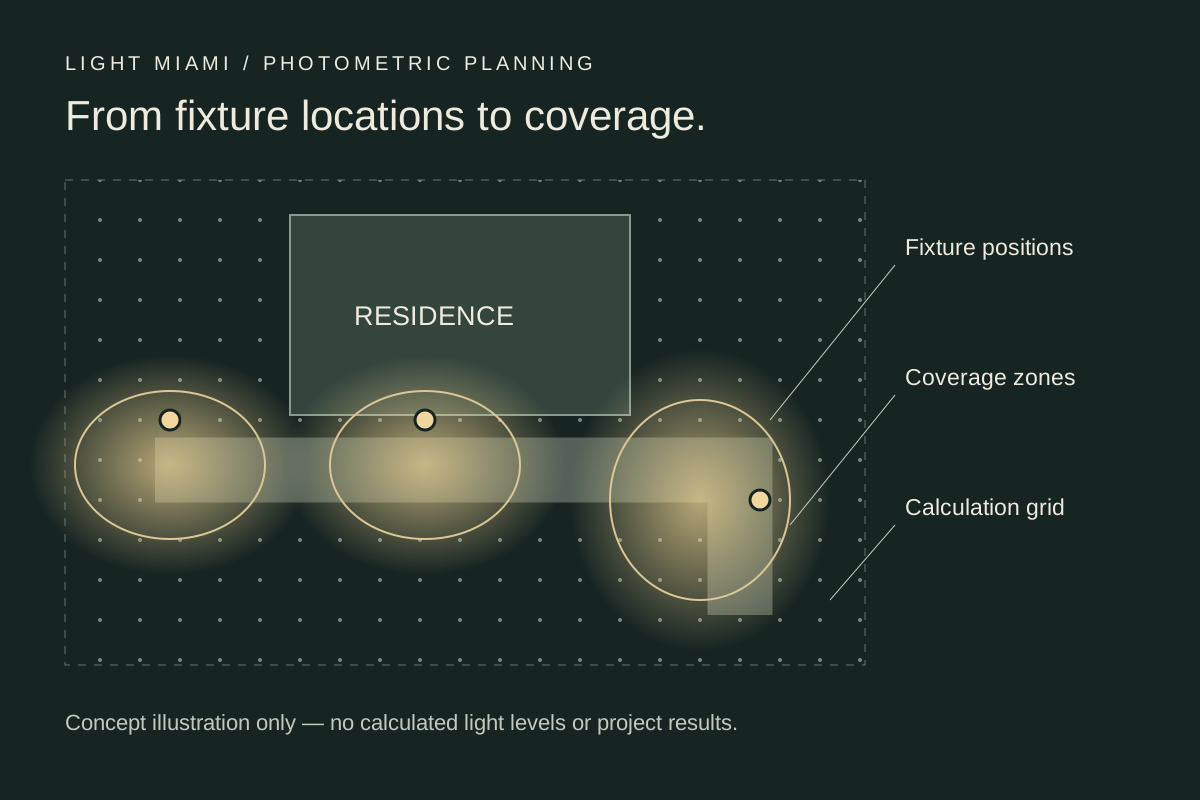
A photometric study uses a model of the space and manufacturer photometric data to calculate the light expected on selected surfaces. It helps compare fixture locations, mounting heights, aiming and optics against the needs of the project.
A photometric lighting plan usually combines fixture locations with calculated illuminance values. A light study is a broader term; an outdoor lighting layout may simply show fixture positions. Ask for calculations when you need to evaluate actual coverage and light levels.
What can a lighting calculation show?
- Light levels: predicted illuminance at calculation points, expressed in foot-candles or lux.
- Coverage: how light is distributed across pathways, gathering areas, working surfaces or other defined zones.
- Uniformity: minimum, average and maximum values and ratios that describe variation within an area.
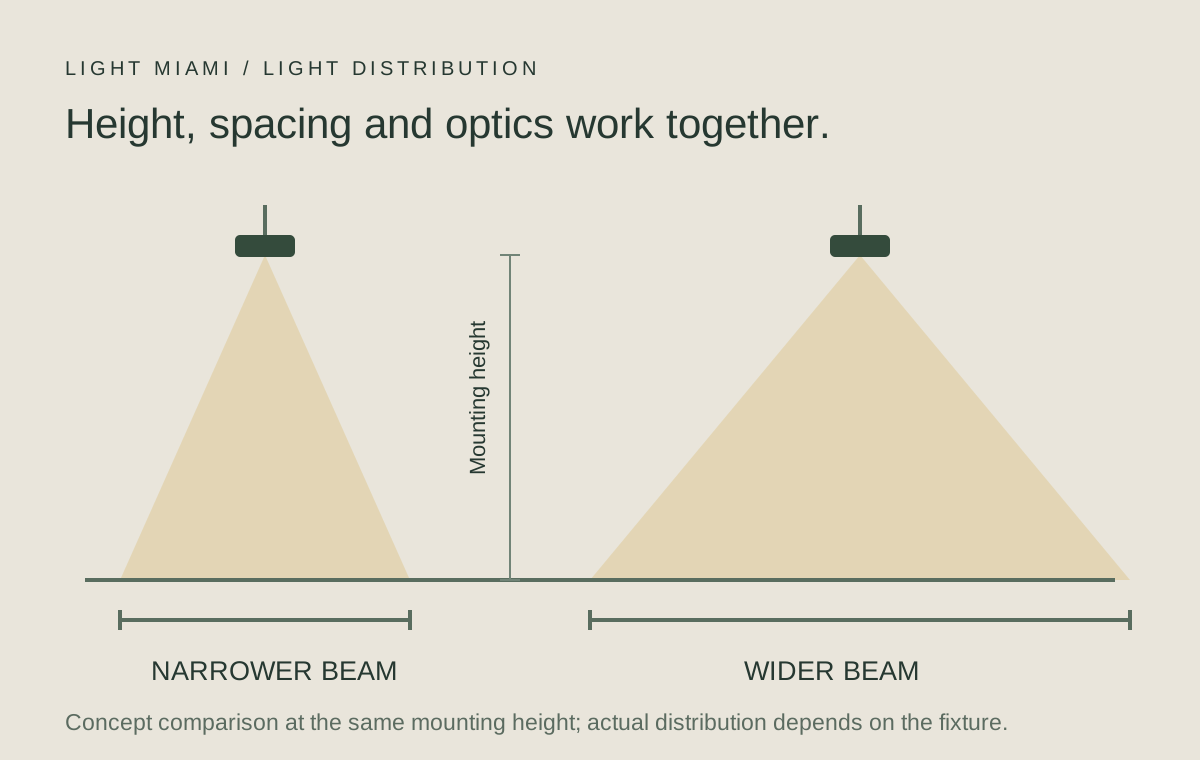
- Design comparisons: how changes in fixture spacing, mounting height or beam distribution affect the result.
- Boundary conditions: calculations at selected property boundaries or neighboring surfaces when included in the study scope.
Outdoor lighting layouts for Miami projects.
For gardens, terraces, entrances and circulation areas, fixture placement should support both practical use and the intended nighttime atmosphere. A study can help identify uneven coverage and compare options before the layout is finalized.
Buildings, walls, trees and other obstructions can affect the result. For a meaningful comparison, the modeled geometry and fixture data need to reflect the proposed installation. Landscape growth and on-site aiming also deserve attention during project coordination.
Explore Miami outdoor lighting ↗
What to send us.
- A scaled site plan or floor plan, with dimensions and the project address.
- Ceiling or mounting heights, elevations and relevant landscape information.
- Fixture model numbers, optics and manufacturer IES files, if already selected.
- The areas to evaluate, their intended use and any project-specific lighting criteria.
- Your schedule and whether the study is for design comparison, client review or a submission package.
Use the inquiry form to introduce the project. We will confirm how to share drawings and fixture documents, along with the scope, timing and deliverables.
What a study package may include.
Depending on the agreed scope, deliverables may include a fixture layout, a calculation grid or contour plan, a fixture schedule and summary statistics for each calculation area. Assumptions such as surface reflectance, maintenance factors and mounting heights should be documented so the results can be interpreted correctly.
Calculated results are predictions based on the supplied information. Installed performance can vary with site conditions, product substitutions and aiming. If sealed documents or authority review are needed, identify those requirements at the start so the appropriate project professional can be involved.
Lighting design and photometric analysis work together.
Calculations help evaluate performance; the lighting design also considers visual comfort, materials, decorative fixtures, color and the experience of the space. We help you discuss both sides of the project and coordinate the next steps with your design and installation team.
Lighting design services in Miami ↗ · Explore lighting manufacturers ↗
Start with your project.
Call 1-877-557-7772 or share your goals with Light Miami. Let us know which spaces you want to evaluate and what decisions the study needs to support.